
Call: 07315121789
 Send Inquiry
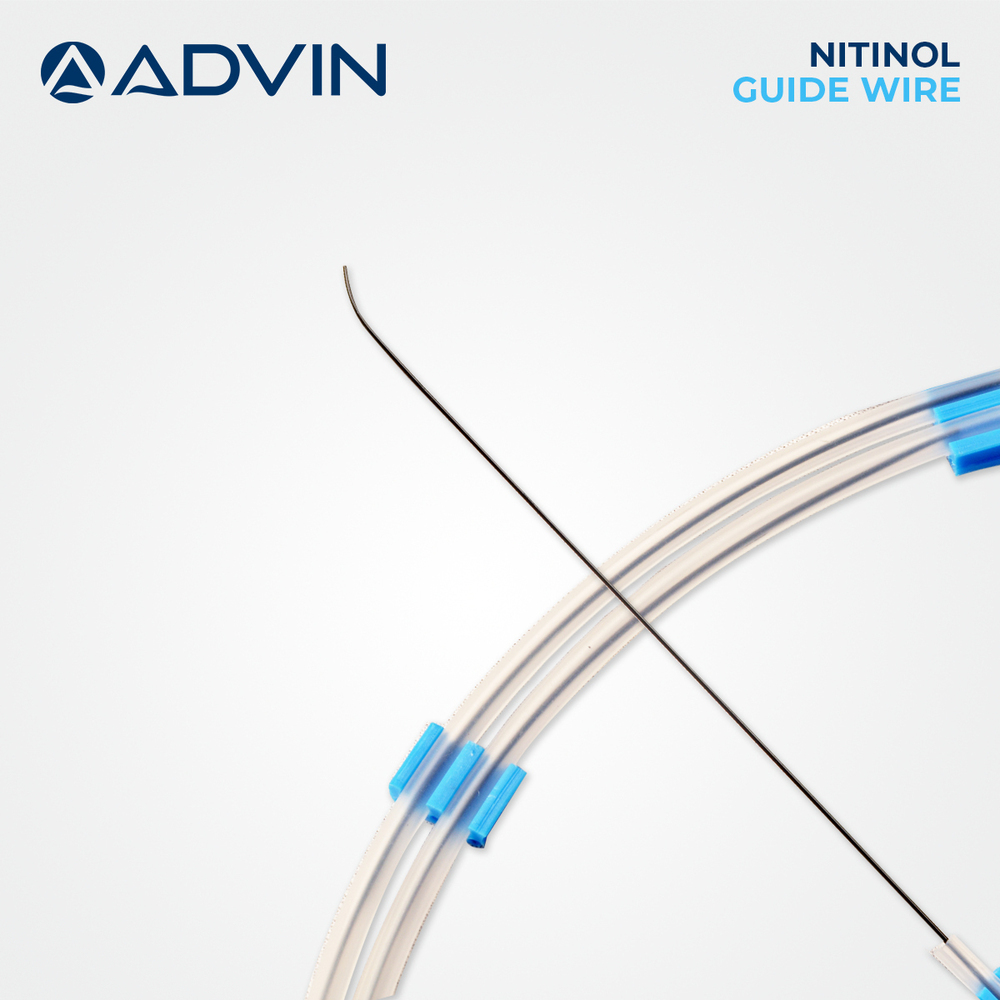
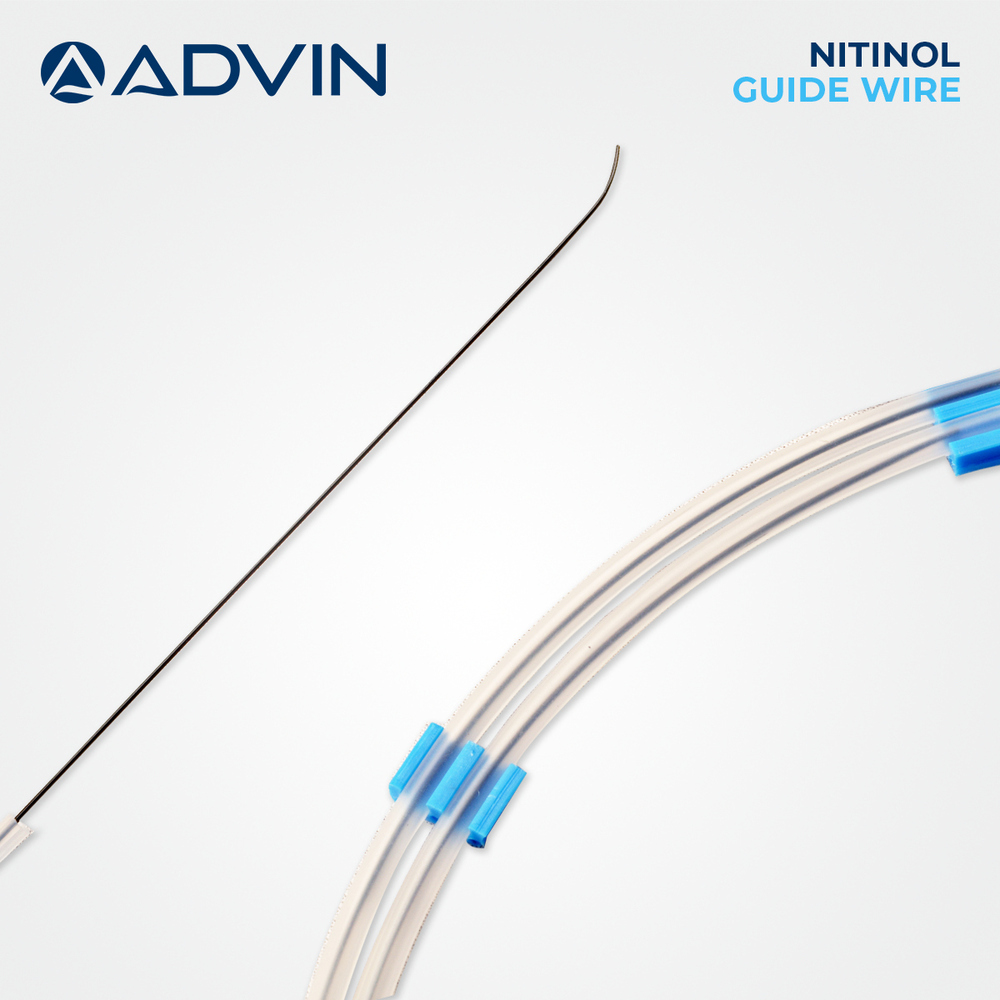
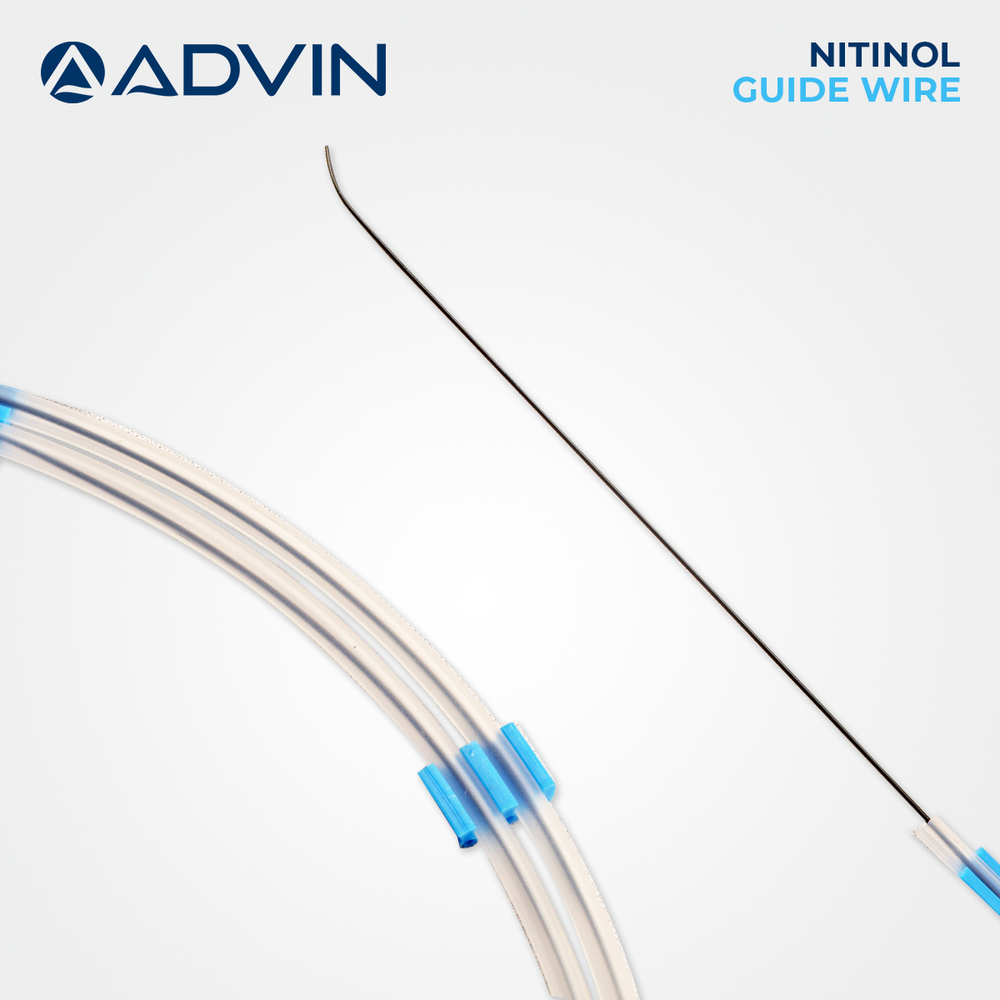
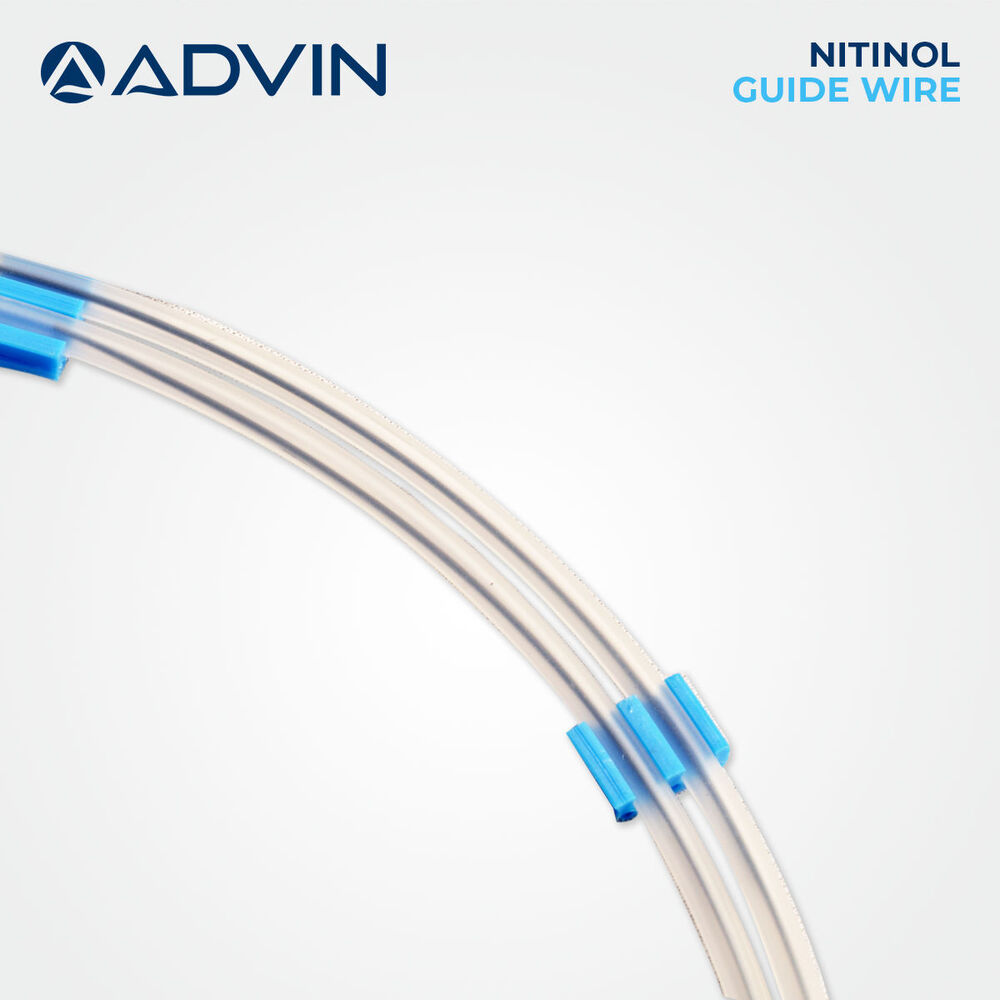
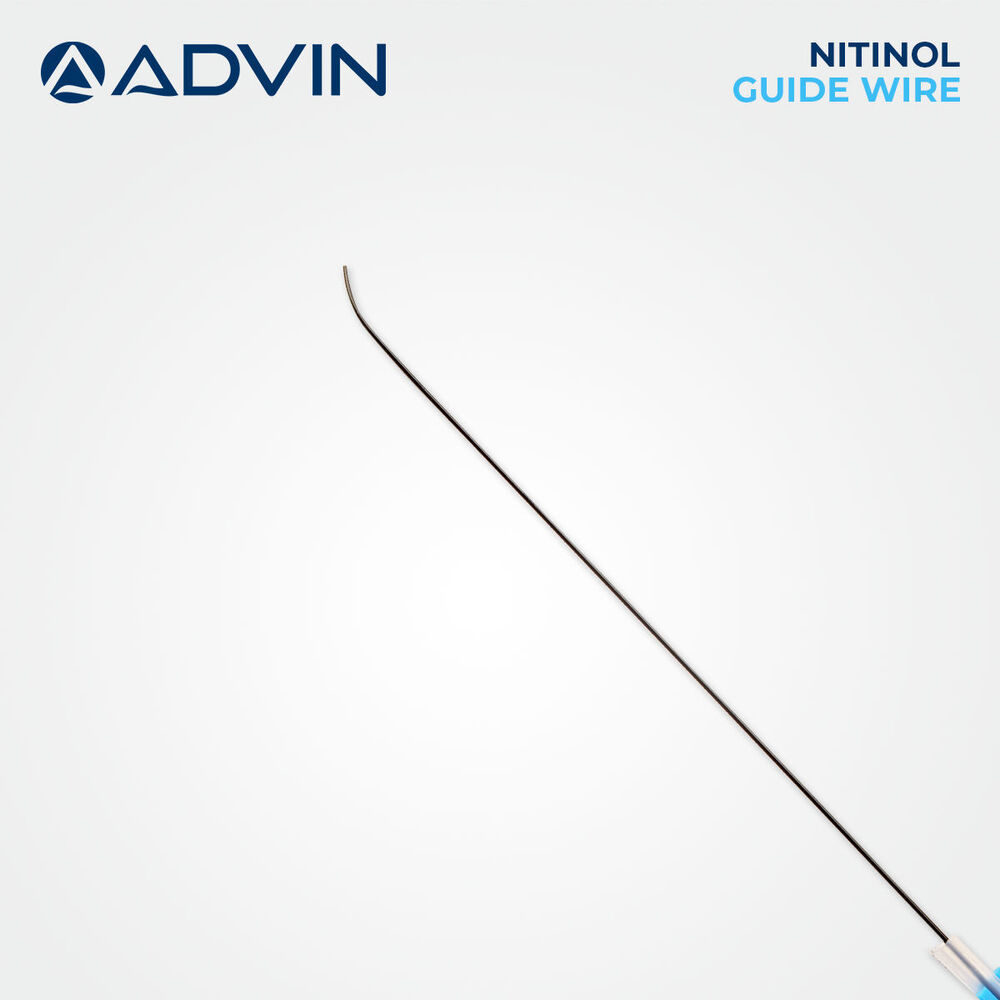
The Nitinol GuideWire for ERCP 0.038 450 cm offers enhanced maneuverability for complex endoscopic procedures that require accurate ductal access. Its nitinol construction provides superior shape memory, enabling the wire to maintain its form even during challenging anatomical navigation. The long 450 cm shaft supports seamless device exchanges, helping clinicians work efficiently during therapeutic ERCP interventions. Its smooth outer surface aids in atraumatic advancement, ensuring controlled performance throughout the procedure, and Advin Health Care delivers trusted quality to support professional endoscopic practice.
Available in 0.035 and 0.038 inch sizes for wide procedural compatibility
Extra-long 450 cm length for efficient ERCP device exchange
Nitinol core for exceptional flexibility and resistance to kinking
Smooth outer surface for controlled and easy ductal navigation
Stable shaft design that enhances procedural accuracy

Price:
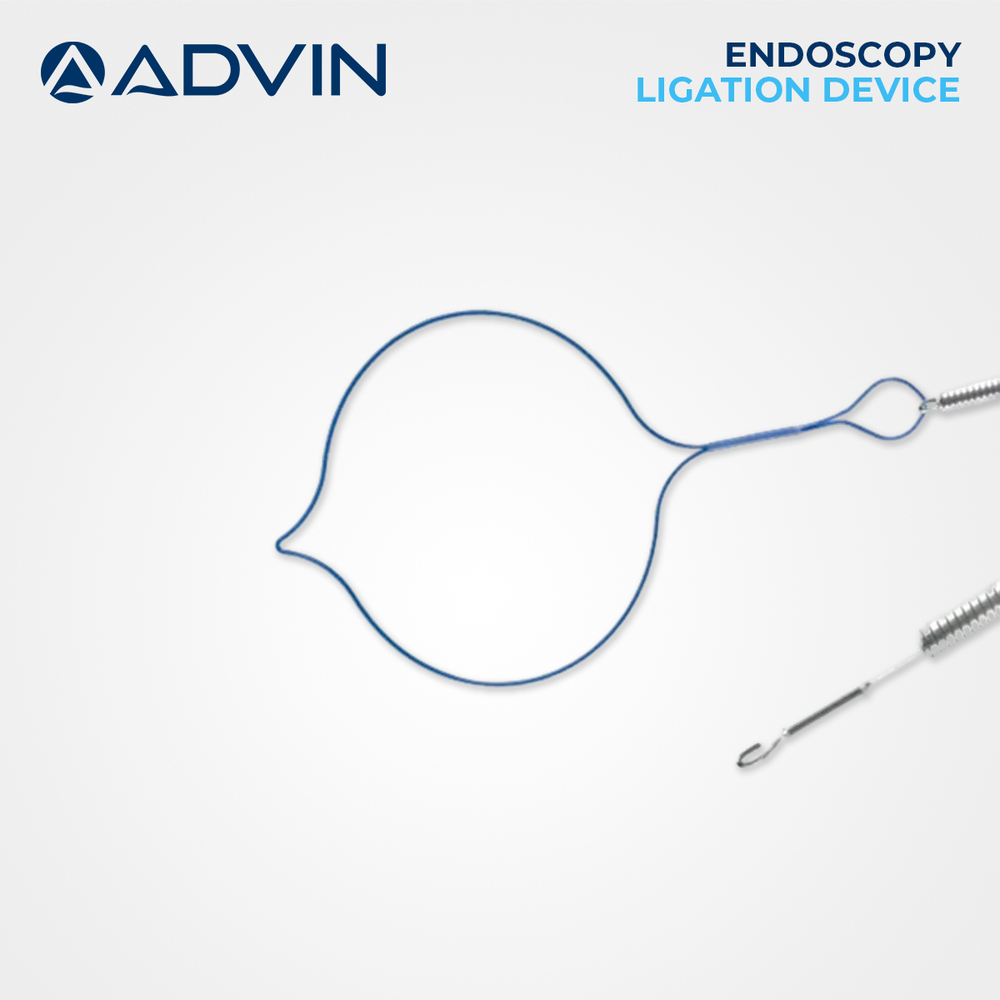
Price 6 USD ($) / Piece
Minimum Order Quantity : 1 Piece
Function : Polyp Capture and Resection
Technology : Manual Mechanical Operation
Wall Mounted : No
Weight : Lightweight; < 100 grams
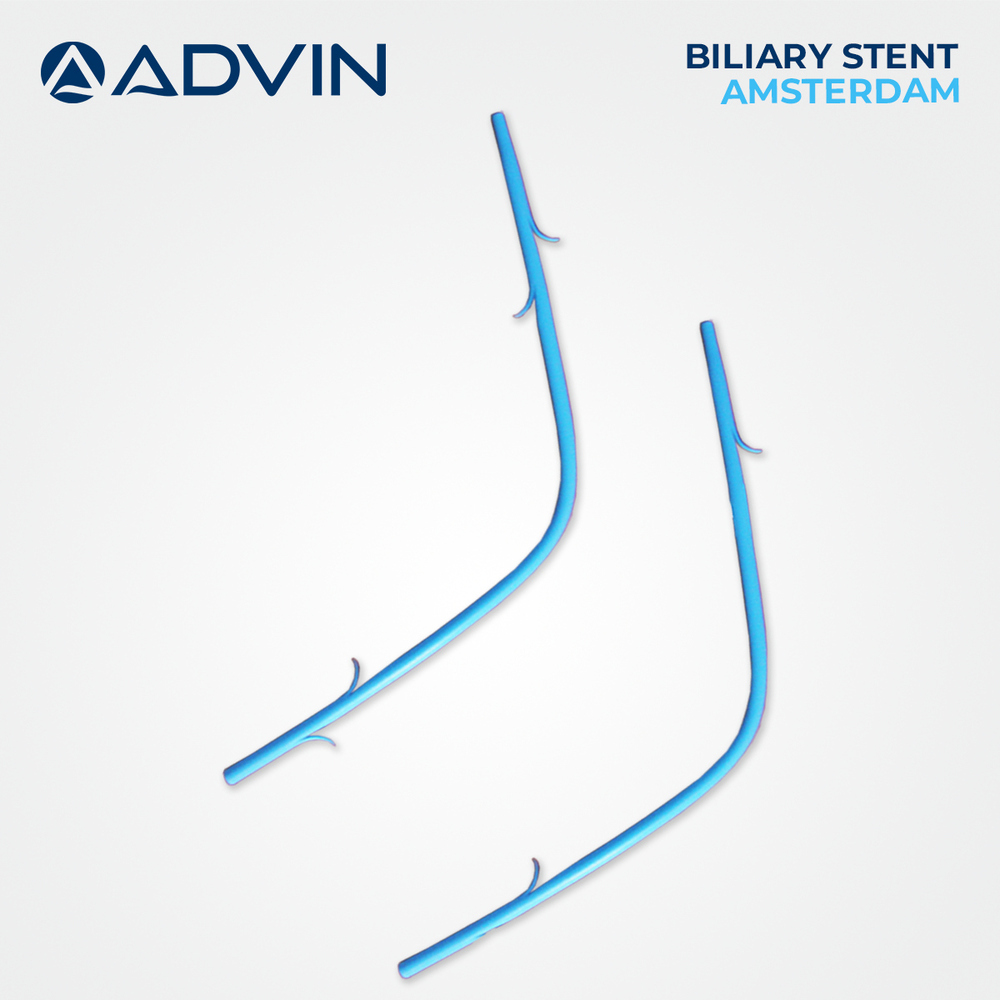
Price 6 USD ($) / Piece
Minimum Order Quantity : 1 Piece
Function : Maintains biliary duct patency, facilitates bile drainage
Technology : Stent Design with Side Holes
Wall Mounted : No
Weight : Approx. Lightweight, a few grams
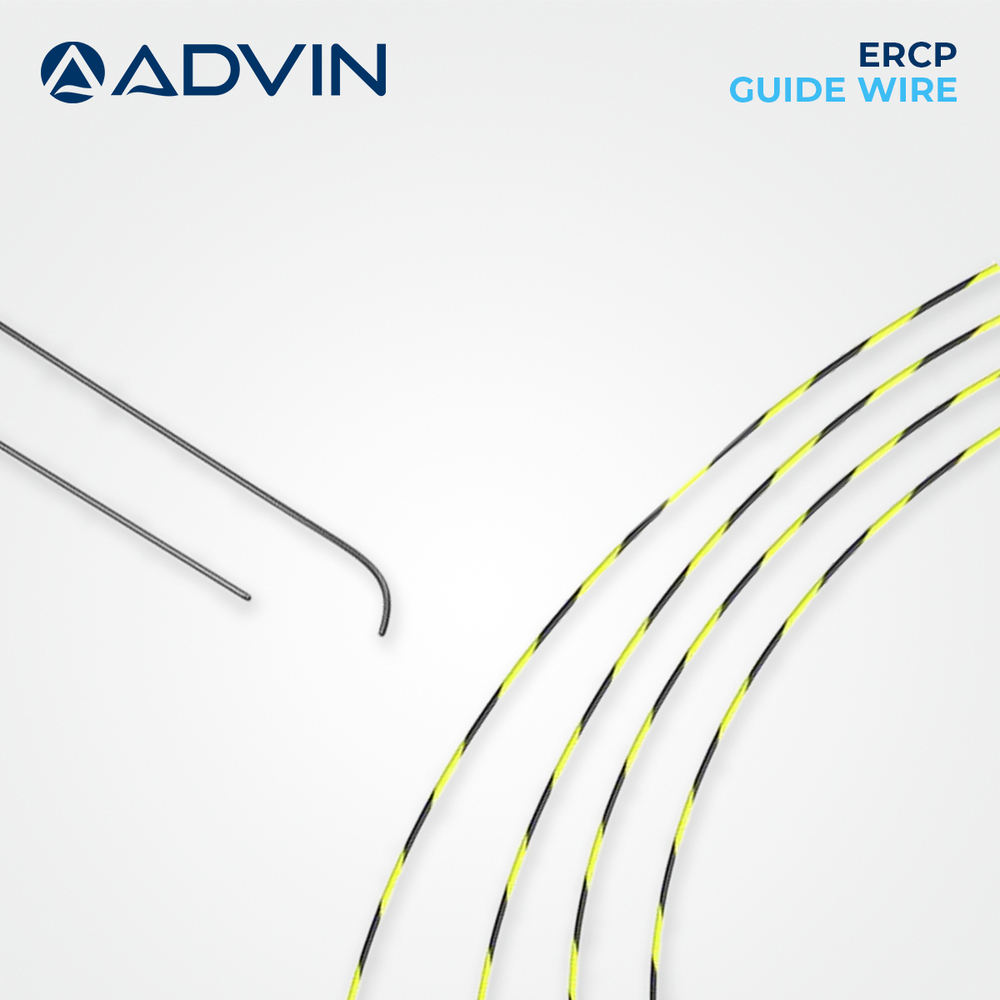
Price 5 USD ($) / Piece
Minimum Order Quantity : 1 Piece
Function : Guide wire navigation for endoscopic procedures
Technology : Flexible Wire Technology for Endoscopic Procedures
Wall Mounted : No
Weight : UltraLightweight
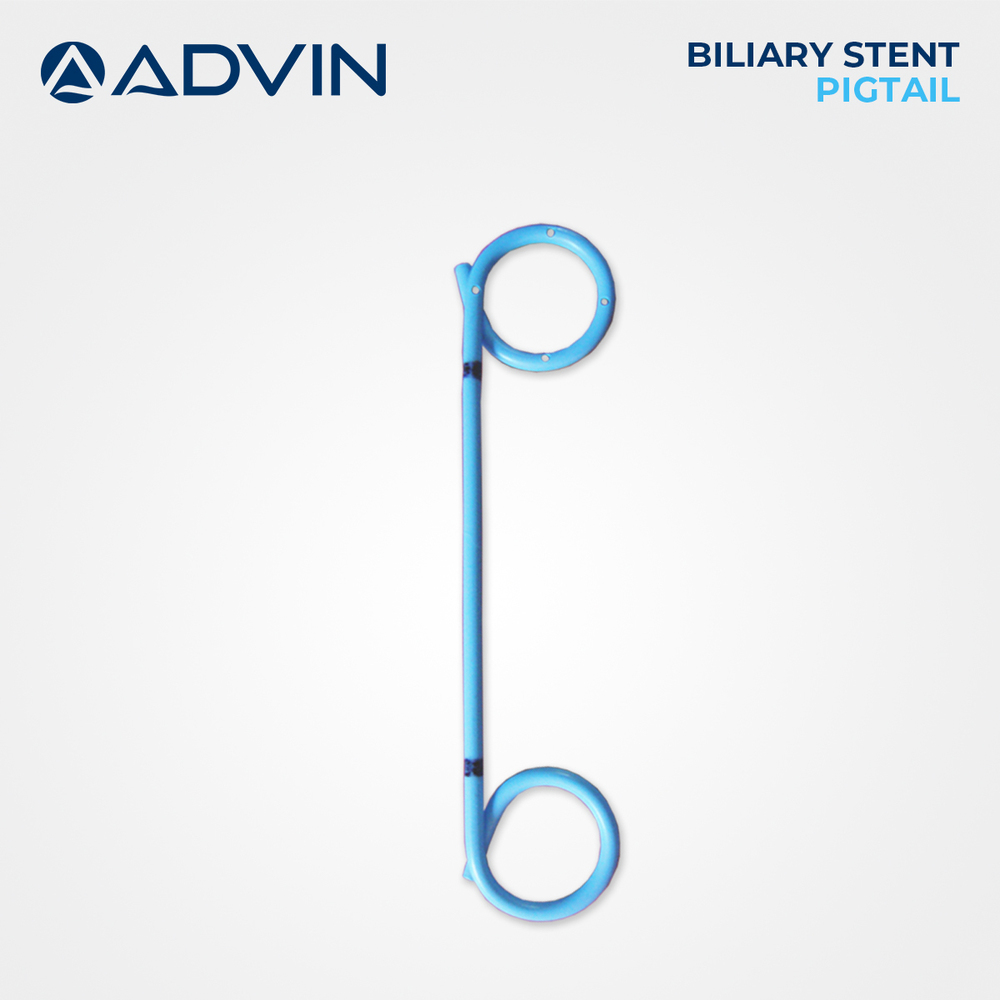
Price 6 USD ($) / Piece
Minimum Order Quantity : 1 Piece
Function : To facilitate biliary drainage and prevent migration
Technology : Catheterization (NonElectric)
Wall Mounted : No
Weight : Lightweight (Less than 10g)
GST : 24CTVPS5589L1ZE


 Send Inquiry

 Send Inquiry
 English
 Spanish
 French
 German
 Italian
 Chinese (Simplified)
 Japanese
 Korean
 Arabic
 Portuguese